
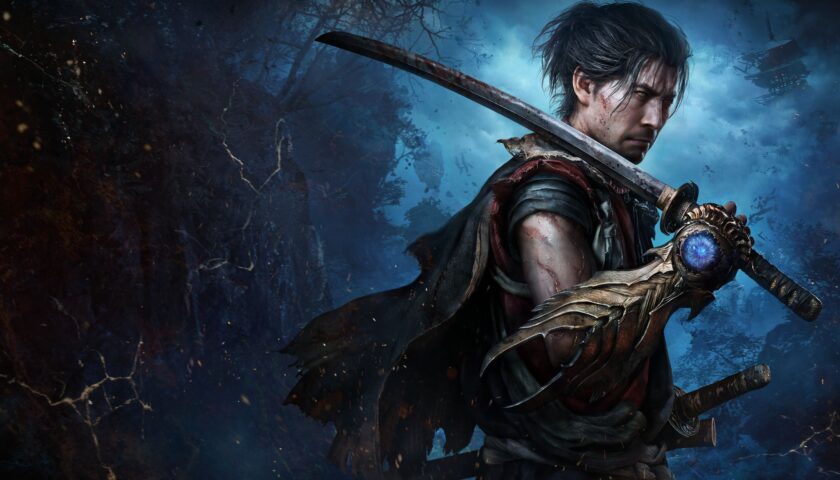
Im Rahmen der Gamescom hatten wir die großartige Gelegenheit, ein Interview zu Onimusha: Way of the Sword zu führen. Rede und Antwort standen uns dabei Director Satoru Nihei, der auf dem Hinflug nach Köln Donkey Kong Bananza gespielt und für gut befunden hat, sowie Producer Akihito Kadowaki.
Onimusha ist eine Reihe mit langer Tradition, die 2001 mit Onimusha: Warlords debütierte, das 2018 bereits eine Neuauflage erlebte. Seitdem war Onimusha semi-omnipräsent, da bahnte sich spürbar etwas an. Das ließ nicht zuletzt die Netflix-Serie erahnen. Please find the complete English script below!
Zwischenzeitlich veröffentlichte Capcom auch ein Remaster zu Onimusha 2: Samurai’s Destiny. Unsere logische Frage zunächst: Wie schaut es mit einem Remaster zu Onimusha 3 aus? „Wir sind uns selbstverständlich des Wunsches nach einem Remaster von Onimusha 3 bewusst“, so Producer Akihito Kadowaki zunächst.
Keine Ressourcen für ein Remaster von „Demon Siege“
„Wir erhalten dieses Feedback regelmäßig und es trifft nicht auf taube Ohren. Aber: Unser Team besteht derzeit aus etwa 170 Leuten und wir konzentrieren uns alle voll und ganz auf Way of the Sword. Wenn wir jemanden davon abziehen und ihn in ein Remaster-Projekt oder ein anderes Nebenprojekt verwickeln, würde das vom aktuellen Projekt ablenken. Aktuell soll unsere gesamte Aufmerksamkeit Way of the Sword gelten“, so Kadowaki weiter.
Mit anderen Worten: Dafür gibt es erstmal keine Ressourcen und Manpower. Aber oft werden Ressourcen und Manpower freigemacht, wenn die Nachfrage besteht. Gute Verkaufszahlen zu Way of the Sword dürften da nicht schaden. Was war eigentlich der Auslöser dazu, die Reihe nach 20 Jahren wiederzubeleben?
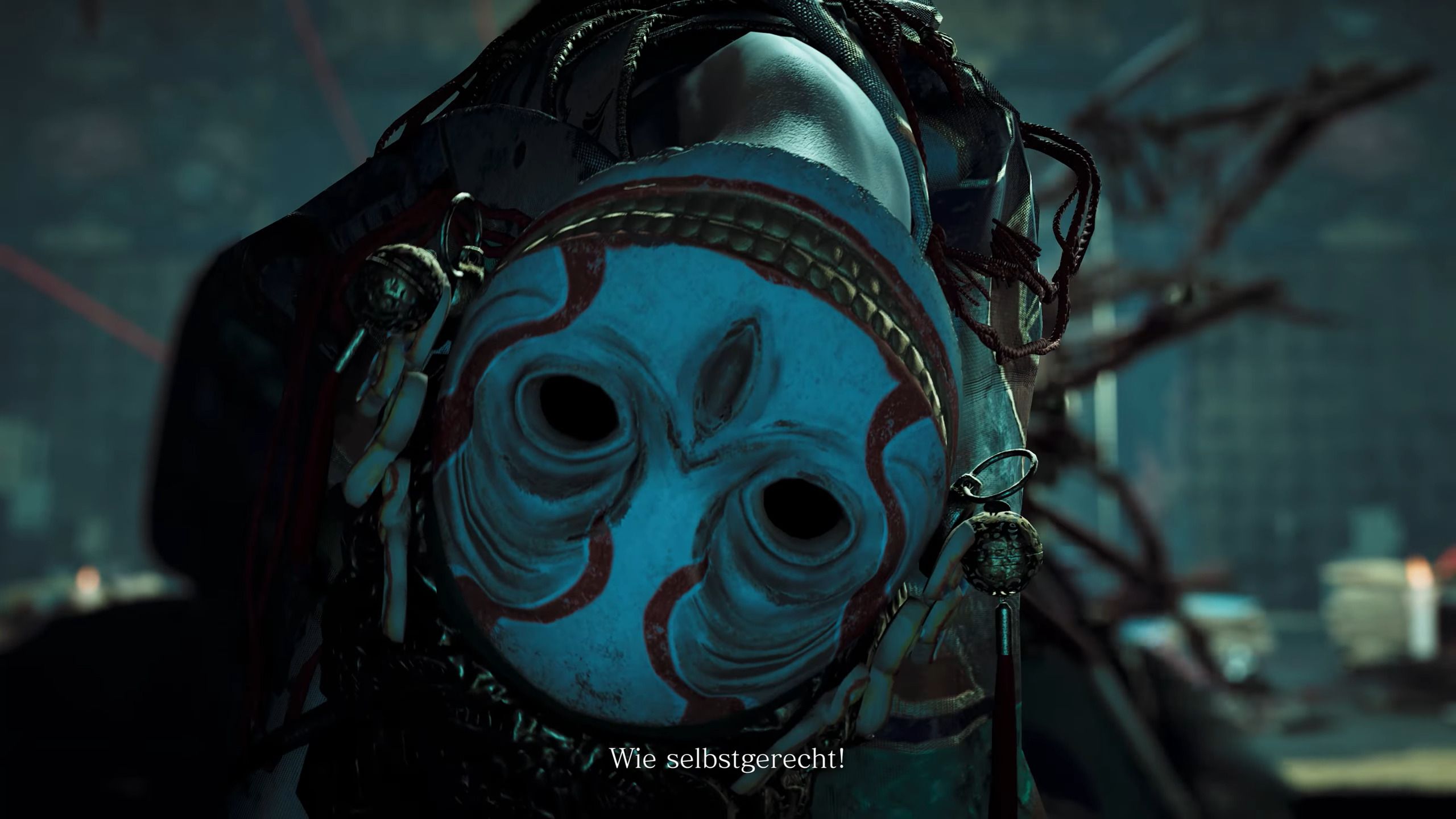
„Anstatt dass man uns angesprochen hat oder wir selbst die Entscheidung getroffen hätten, ist es vielmehr so, dass über die ganze Zeit, in der wir kein Onimusha-Spiel gemacht haben, zahlreiche Leute in der Firma das Interesse an einem neuen Spiel bekundet haben. Das war etwas, das schon lange im Raum stand“, so Kadowaki.
„Viele Leute auf verschiedenen Ebenen meinten: ‚Es wäre wirklich toll, ein neues Onimusha-Spiel zu machen.‘ Der Grund, warum wir es nicht getan haben, war tatsächlich nur eine Frage der Ressourcen“, erklärt der Producer.
Die Spiele der letzten Jahre seien „ziemlich groß“ gewesen und hätten „viele Leute“ und „viel Zeit“ bedurft. Drei bis vier Jahre müsse man für derartige Projekte einplanen. „Es war also ziemlich schwierig, die erforderlichen Ressourcen für die Entwicklung eines neuen Onimusha aufzutreiben“, erinnert sich Kadowaki.
Der Startschuss für Way of the Sword
„Anfang 2020 waren wir dann endlich in der Lage, dass wir die Leute und Ressourcen zur Hand hatten, die wir für die Entwicklung des Spiels brauchten. Außerdem war unsere hauseigene Engine – die RE Engine – endlich so fortgeschritten, dass sie alle Funktionen enthielt, die wir brauchten, um das Spiel zu machen, das wir machen wollten. Das war also der Punkt, an dem der Startschuss für Way of the Sword fiel“, erklärt Akihito Kadowaki.
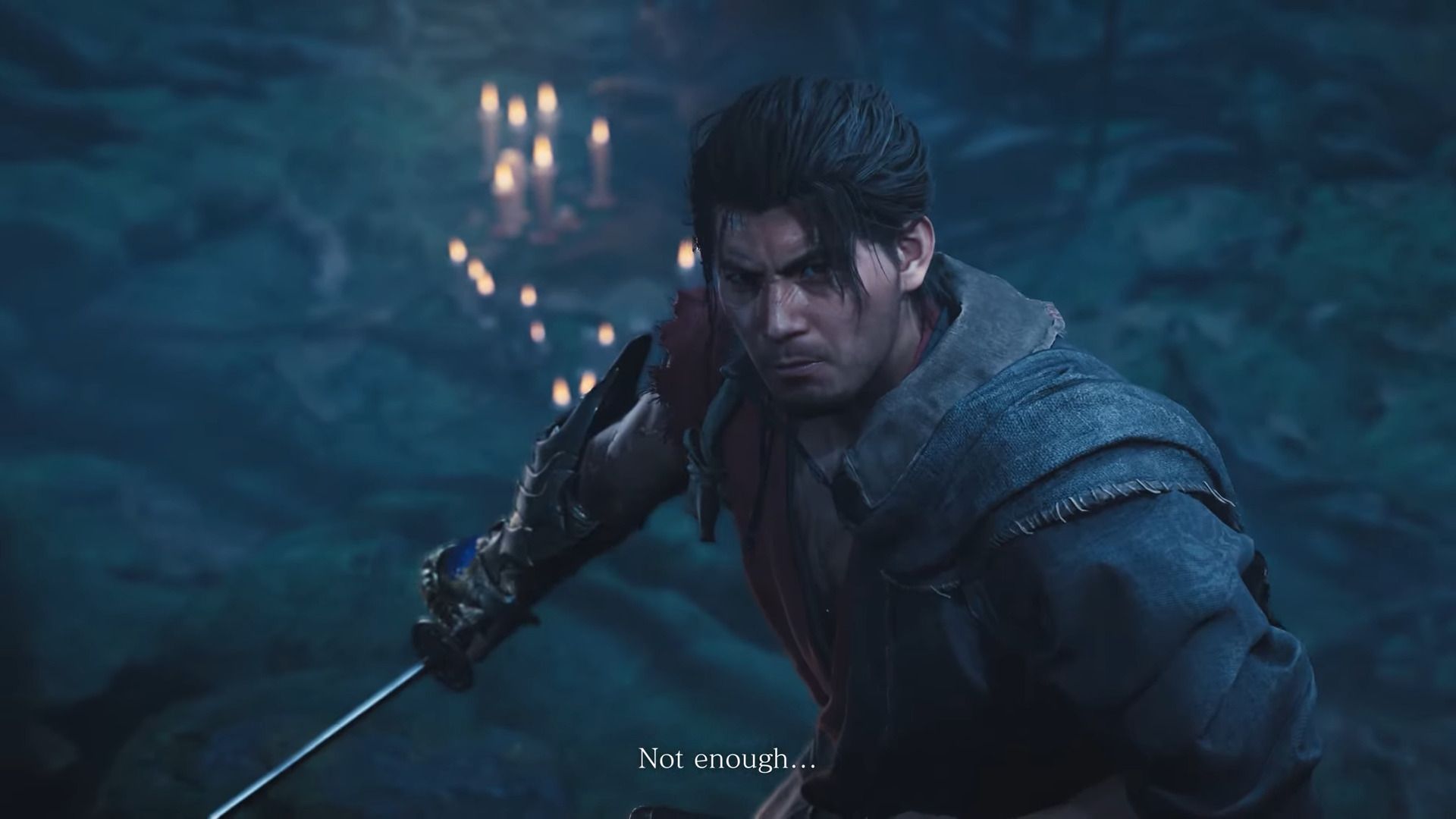
An diesen neuen Serienteil knüpfen Fans natürlich entsprechende Hoffnungen und Erwartungen. Wir wollten wissen, wie die Entwickler damit umgehen und ob damit ein gewisser Druck einhergeht? „Wir sind uns völlig bewusst, dass die Serie viele treue Fans hat, die die ganze Zeit auf ein neues Spiel gewartet haben – das ist nichts, was wir einfach ausblenden“, sagt Kadowaki dazu.
Mit Onimusha sei es ein spezieller Fall. Serien, die 20 Jahre kontinuierlich neue Spiele hervorbringen, würden sich auf die verändernde Branche schrittweise einstellen können, so der Producer. Und weiter: „Im Fall von Onimusha ist es vielmehr so: Wenn sich jemand entscheidet, das bis dato aktuellste Spiel der Serie – Onimusha: Dawn of Dreams – zu spielen und anschließend zu Way of the Sword übergeht, wird er den Unterschied zweifellos spüren.“
„Die Branche hat sich verändert, das technologische Niveau hat sich verändert und die Erwartungen daran, was ein Actionspiel ist und was es beinhalten soll oder muss, haben sich geändert. Wir sind uns dessen bewusst und denken, dass es sich nicht vermeiden lässt“, so Kadowaki. Mit dem Marketing zum Spiel wolle man sicherstellen, dass Leute verstehen, dass dies ein Onimusha-Spiel sei und was die Kernelemente der Reihe seien. Demos wie jene bei der Gamescom sollen dabei helfen.
Ein sehr klares Konzept
So deutlich wie das Marketing ist, so klar war auch von Anfang an das Konzept für Way of the Sword. Von aktuellen Trends wie jenen des Soulslike-Genres, das sich möglicherweise ganz gut auf Onimusha anwenden ließe, wollen die Macher nichts wissen. „Wir hatten von Anfang an ein sehr klares Konzept für das Spiel„, sagt Director Satoru Nihei.
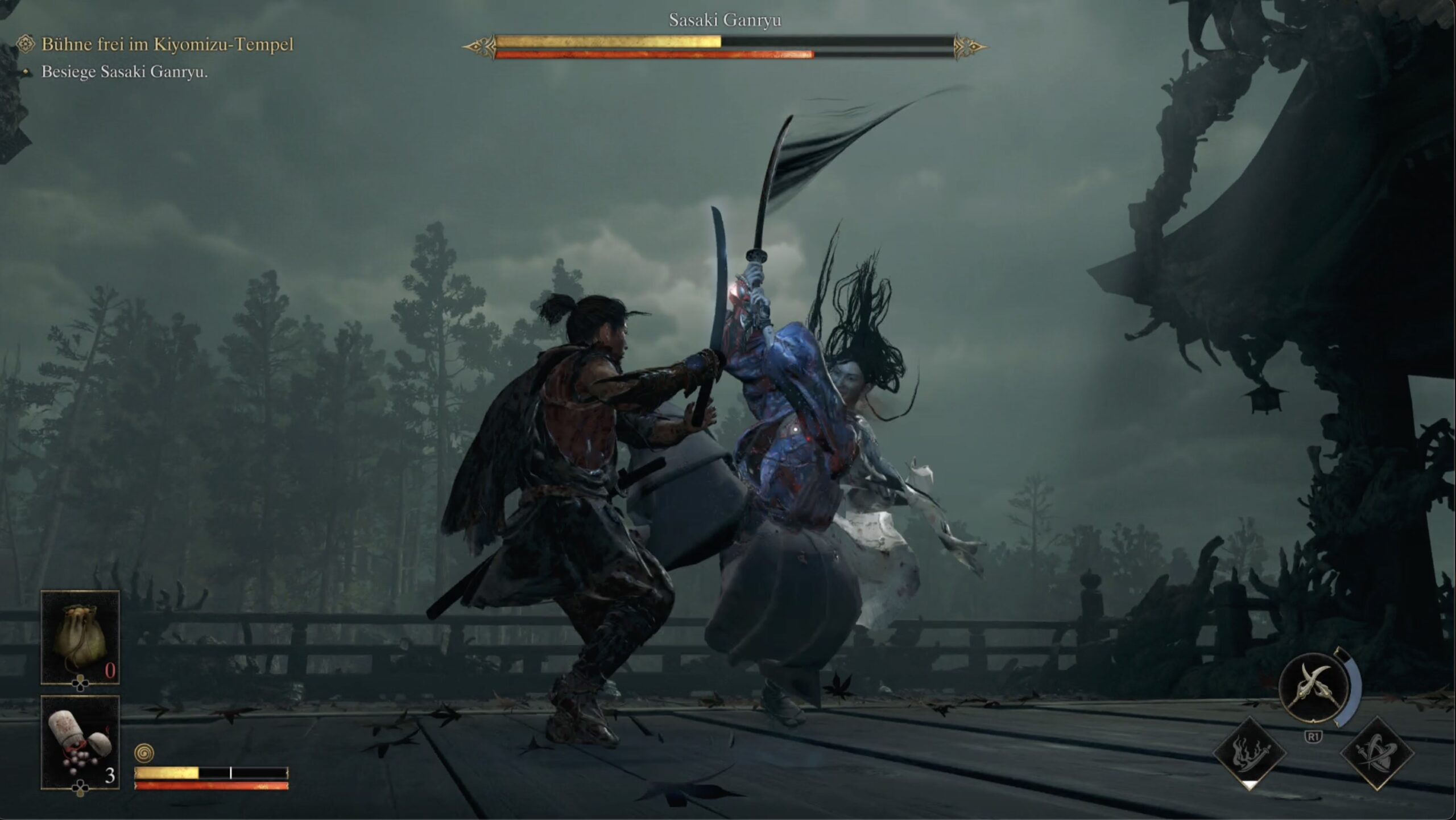
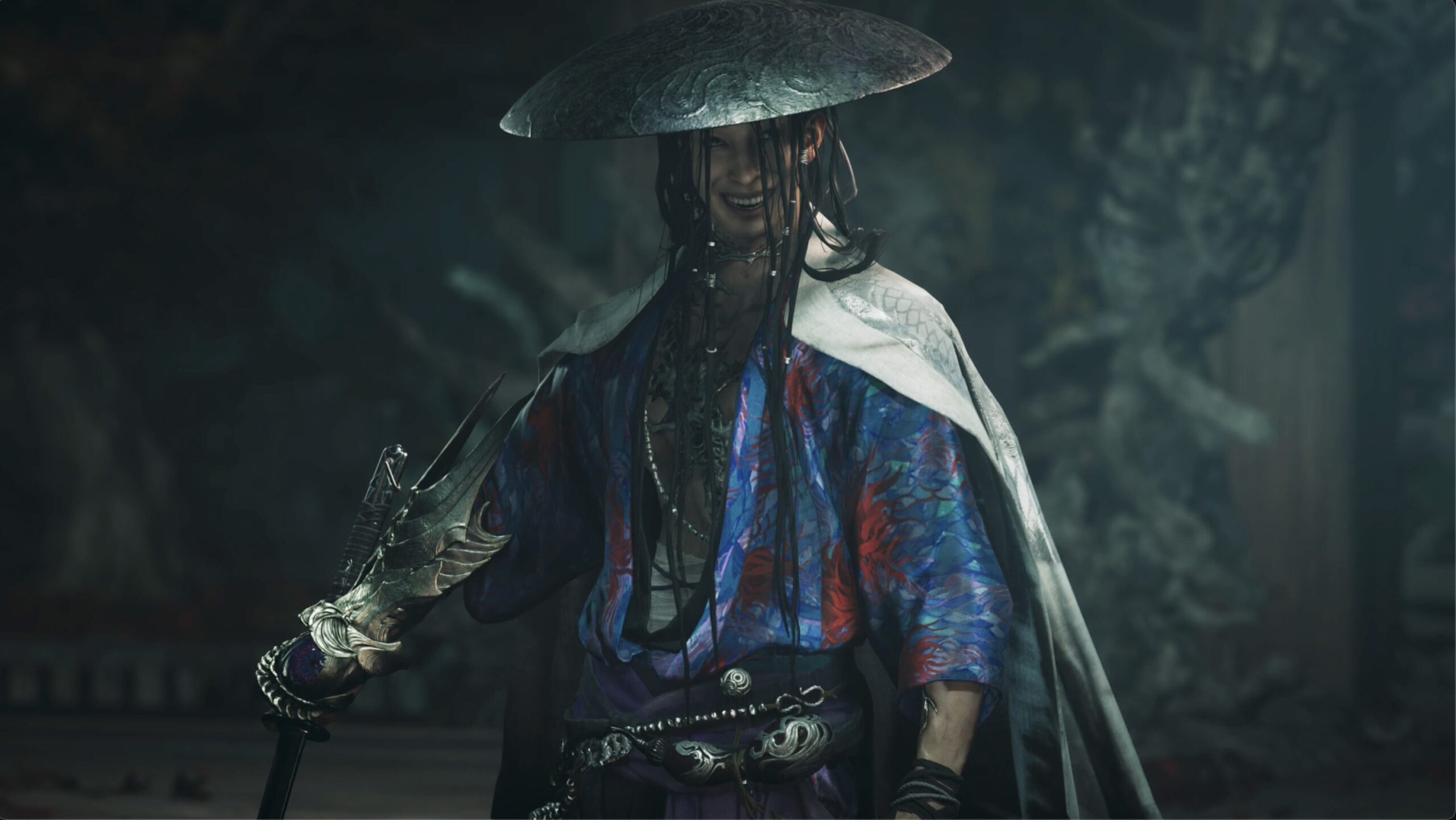
Und weiter: „Wir wussten, dass wir uns auf realistische Samurai-Kämpfe konzentrieren wollten; wir wussten, dass wir Elemente aus der Serie beibehalten wollten, die unserer Meinung nach den Kern von Onimusha ausmachen; und wir wussten, dass wir uns im Spiel speziell auf den Schwertkampf konzentrieren wollten.“ Mit diesen Zielen im Hinterkopf sei auch schnell klar gewesen, dass man einen professionellen Schwerkämpfer hinzuziehe.
Mögliche neue spielerische Elemente treten in den Hintergrund. Director Nihei erinnert hier an die Demo, in der eines dieser Elemente kurz angeschnitten wird. „Wir haben die ‚Oni-Vision‘ eingeführt, mit der man Pfade freilegt. In der finalen Fassung wird man dann ein gutes Stück mehr den Kopf und logisches Denken nutzen müssen, um durch mancherlei Sektion eines Levels zu kommen. Aber: Wir wollten uns mit Way of the Sword vor allem auf den Action-Aspekt und die Kämpfe konzentrieren – der Titel ist definitiv in erster Linie als Actionspiel konzipiert“, verspricht der Director.
Ein Bilderbuch-Comeback?
Das können wir bereits unterschreiben. Onimusha: Way of the Sword „übersetzt seine brillante Präsentation samt audiovisuellem Spektakel kompetent auf die spielerische Ebene und begeistert mit elektrisierenden Duellen, die toll von der Hand gehen“, resümiert unsere Preview.
Lest das nachfolgende, komplette Skript zum Interview, um noch ein wenig mehr Hintergründe zu erfahren. So geht es beispielsweise noch um Toshiro Mifune, der dem Protagonisten Musashi sein Antlitz verleiht. Und verschiedene Schwierigkeitsgrade, darunter der „Story-Modus“ – der sei aber „nichts für Leute, die keine Actionspiele mögen – da könnt ihr euch sicher sein“, so die Macher. Fans von Onimusha werden das gerne hören.

Complete English script:
Interview: Onimusha: Way of the Sword
Satoru Nihei (Director), Akihito Kadowaki (Producer)
JPGames: The „Onimusha“ franchise has been quiet for a long time – now, after many years, the series is finally being continued. What prompted the decision to revive the franchise now, a good 20 years after the last console game? And did you initiate the idea, or were you approached with the request to create a new game?
Kadowaki: Rather than being approached or deciding on our own to do anything like that, the whole time that we weren’t making an Onimusha game, a lot of people at the company were saying they wanted to. It is something that had been floating around – lots of people in various levels were like „it would be really nice to make a new Onimusha game“. But the reason we didn’t: It’s really just a question of resources. You’re probably quite aware, but a lot of our games in recent years – by which I mean the last decade or so – have been quite large. And those large titles require a lot of people and they take a lot of time to make. You can expect such a title to take 3-4 years of development and a very large number of people are locked working on a project like this. So getting the required resources to make the game – meaning Onimusha – was quite difficult. At the start of the year 2020 we finally had the people that we wanted to in place to build the game and at the same time that was the point, when our in-house-engine – the RE engine – was finally having all the features that we needed to make the game that we wanted to make. So that was the point, where we finally started to do, what we wanted to do.
So, the brand was on hold for a long time, but that doesn’t diminish the passion of the fans, who naturally have high expectations for the comeback of „Onimusha“. How do you deal with the fans‘ hopes and expectations? Does the weight of the IP also bring a certain amount of pressure for you?
Kadowaki: Obviously it has been 20 years and 20 years is a long time. We are fully aware that the series has many deeply invested fans, who have been waiting for a new game for that whole time – it’s not something that we’re ignoring or anything. For other series that have been steadily releasing new games over the last 20 years – obviously the industry has changed and expectations have changed – but since they have been released regularly, they’ve grown with the trend and changes are gradual, so every game is slightly evolved over the last one. In the case of Onimusha: If somebody decides to play the most recent game [Onimusha: Dawn of Dreams] and would then go on to play „Way of the Sword“… that gap? You are going to feel it. There is no doubt about it. The industry has changed, the level of technology has changed and the expectations as to what an action game is and incorporates have changed. So, we are aware of that and we think that is something that can’t be avoided.
In terms of how to manage the expectations: We really want to make sure – through our marketing and through what we show of the game – that people understand, this is an Onimusha game, that contains the core elements of the series and that it is fun. And we think, as long as people see that, they will give it a chance at events like Gamescom or through demos further down the line in the future. And we like to think that once they try it out, they go: „Oh yeah, this is indeed Onimusha.“
When I saw the first images of the game, I was already impressed by the presentation of „Way of the Sword“. Now that I’ve played it myself, I’m even more pleased and reassured that the title feels like a modernized sequel that builds on the roots of the original games. After all, it would have been entirely possible these days to develop the title as a Soulslike for example—a genre that has enjoyed great popularity in recent years. Were there any such or other maybe even more experimental ideas when conceiving „Way of the Sword“, or was it immediately clear to you which direction you wanted to take?
Nihei: So, we had a very clear concept from the beginning of how we wanted to make the game. We knew we wanted to focus on realistic samurai combat, we knew we wanted to keep elements from the Onimusha series that we felt were at the core of the series. And we knew we wanted to focus on the sword fighting specifically in the game. With all those things in mind, we set out very quickly to achieve what we needed to achieve. That included bringing in a professional swordsman, to consult and to do the motion capture and help us to realize our ideas. Once all of that was in place, it was just a matter of iterating and tuning the game, to get everything right, such as the pacing and tempo of battle.
„Way of the Sword“ continues the tradition of having the protagonist bear the face of a well-known Japanese actor. With Toshiro Mifune, protagonist Musashi even borrows the face of a particularly iconic actor who had already played the role of swordsmen in various Akira Kurosawa films. How did this choice come about, and what was the process behind it – given that Mifune has already passed away? Did you speak with his relatives to make this project possible?
Kadowaki: So first of all, this is not something I’ve been involved in personally, but a thing that I’ve heard: Using Mifune’s likeness has actually been one of the candidates for a very long time, even for the first game, he was one of the potential actors that was considered. So using Mifunes likeness for a character, it was kind of on the table from the beginning. But when we started to come up with the concept for the main character for this game in particular, we wanted something „manly“ and „gritty“, like a „mud-covered battling samurai“. And we really felt that – given the characters that Mifune has portrayed in the movies he acted in – he was the perfect match.
Regarding technical difficulties: As you said, Mifune sadly has already passed away, which meant we couldn’t do what we would usually do, when bringing in an actor, which is scan their face. So instead we had to go through his existing movies, finding various angles so that we could manually model his likeness correctly.
And in terms of permissions: Absolutely. We went to his production company and made sure that it was all faithful and understood and obviously we can’t name names, but his relatives were contacted and shown what we came up with and they gave their permission and their blessing for the project.
When I played „Way of the Sword“, I was particularly impressed by the detailed animations. Whether it was the defensive animations when you perfectly parry an enemy attack or Musashi sheathing his sword and throwing his cloak back over his shoulder after a fight. He oozes charisma, same goes for Ganryu, who is very flamboyant. It definitely seems like the characterization through animations was a major focus during development. Can you say a few words about the process of bringing the characters to life?
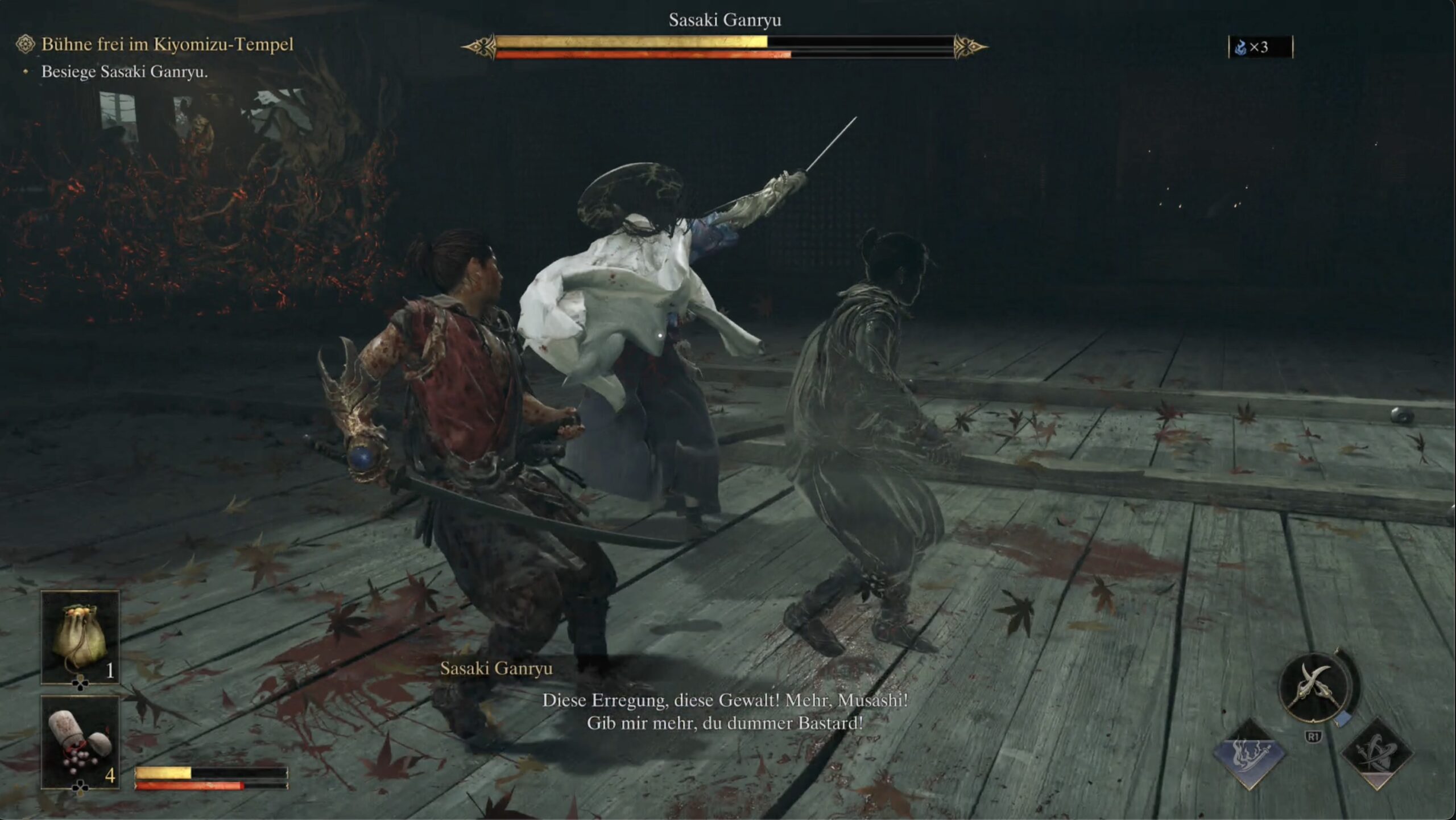
Kadowaki: We touched on it a little bit earlier: We did bring in a professional swordsman to help us realize those realistic motions and we discussed with them what kind of animations we wanted to create. Very, very early on, we decided that we didn’t want a stoic, expressionless samurai for a protagonist. We really wanted each character to have a recognizable personality, not just in their writing but also in the way that they move. So for example in Ganryu’s case: He is not a very straightforward character, he doesn’t get to the point, so we made him move around, he is very floaty, he taunts, he does dodges, he is very unpredictable in what he does next. And that was all stuff that Nihei-san – while he was directing the motion capture – specifically told the actors to do. For example in Musashi’s case: He is rough, he moves in a maybe little callous way when he fights and we wanted to make sure that this comes through in his animations.
Nihei: Also, it is not just the main characters that were conceived this way. We made sure to bring the same carefulness to all characters and enemies to the point that, when we felt that an animation felt too similar to another, we would change it up.
In the demo, the focus was clearly on the battles with various Genma and the impressive boss fight with Ganryu. Beyond that, there wasn’t much to do yet. Will the game feature puzzles and other activities much like the first games did? Or does „Way of the Sword“ take a different approach?
Nihei: It was touched upon slightly in the demo – we introduced the „Oni vision“ that you use to open a door. In the final game you have to use your head to get through the levels. There are aspects of logical thinking that need to be solved. That being said: We very much wanted to focus on the action combat aspect with this game, we intend for it to be an action game primarily.
Were there any games that inspired you during the conception and development of „Way of the Sword“? While playing, I personally was reminded of „Sekiro“, for example, whenever I managed a perfect parry – which feels fantastic, by the way, as a quick side note. Were there any such inspirations?
Nihei: We didn’t really pay any attention to other companies’ titles when working on this game – it is not something we kept in mind. All of the animations we included in the game – including the (perfect) parry effect – were animations we came up with in discussion with the professional martial artists that we brought in to do the capture. So if there is a parry motion that feels very visceral and satisfying, it is probably because that was exactly how the motion capture actor demonstrated it.
And of course, I have to ask: Now that „Onimusha 2“ has also been remastered, what are the chances of a remastered version of „Onimusha 3“?
Kadowaki: We are very much aware that there is a desire for a remaster of Onimusha 3. It is a feedback we get a lot. But currently our team is about 170 people and we are all focused very much on „Way of the Sword“. To divert anybody away from that into another remaster or any other side project would detract from the current project and we don’t want to compromise „Way of the Sword“ in any way.
You’re currently knee-deep in the game’s development. Do you still find time to play video games or watch movies in your spare time? If so, what works have impressed you recently?
Kadowaki: I recently got to play „Elden Ring“ and I found it quite impressive – I had a lot of trouble with the difficulty when starting the game though.
Nihei: On the plane ride to Gamescom, I got to play „Donkey Kong Bananza“ and I found it really entertaining.
Is there anything else you would like to share with people out there – may it be in regards to „Onimusha: Way of the Sword“ or in general?
Kadowaki: One thing that I have been wanting to say is that for „Way of the Sword“ we developed two difficulty levels you can choose from – we refer to them as the „Story mode“ and the „Action mode“. The action mode is designed for people who are very comfortable with action games and who are looking for a challenge. The story mode is not for people who don’t like action games – make no mistake. The idea is that if anybody finds that they get frustrated when playing an action game, this will allow them to still experience a challenge suited to them.
We wanted for everybody who plays this game to make the experience of jumping into a difficult battle, losing, learning and rather than feeling cheated going like „Oh that is how this works“ and try again. And even if they fail a few times, each time they are going to get a little bit better and finally overcoming the challenge with a sense of satisfaction.
Bildmaterial: Onimusha: Way of the Sword, Capcom
Na dann holt mal endlich das fast 23 Jahre alte Breath of Fire (Mobile-Schrott wird nicht mitgezählt) endlich als nächstes zurück CAPCOM ..
wir WARTEN
schon sehr seeeeeeehr seeeeeeeeeeeeeeeeeeeeeeeeeehrrr LANGE !!!
Breath of Fire 3 + 4 Remaster wäre ja schon mal ein ANFANG